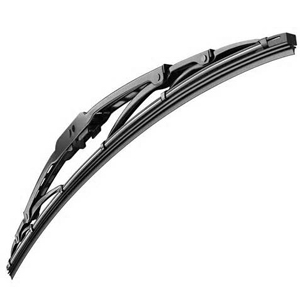
Getting Your Toyota Ready for a Winter Road Trip from Illinois: Checklist + OEM Parts
Heading out on a winter road trip from Illinois requires more than just packing a warm coat and programming your GPS. Freezing temperatures and unpredictable blizzards demand that your vehicle is perfectly prepped. Equipping your car with genuine components ensures you reach your snowy destination safely and comfortably.
Every checklist must, at minimum, include the following preparations for your Toyota:
- Swap to heavy-duty wiper blades for guaranteed visibility during unpredictable highway snowstorms.
- Follow our comprehensive 10-point vehicle checklist to prevent cold-weather breakdowns far from home.
- Install a fresh cabin air filter to maximize heater output and keep interior air pristine.
- Restore your nighttime driving confidence with crisp, clear factory-grade headlight assemblies.
- Source all your travel-prep components directly from McGrath Elmhurst Toyota for a guaranteed factory fit.
Securing Your OEM Toyota Winter Wiper Blades
Preparing for a cross-country drive means you cannot compromise on quality. Choosing McGrath Elmhurst Toyota guarantees you receive factory-direct components engineered exactly for your vehicle's specifications.
Order Genuine Parts with McGrath Elmhurst Toyota
Enjoy peace of mind with our competitive prices and secure delivery. Check our shipping policy to start your trip prep today.
Winter Road Trip Comprehensive Checklist for Toyota Owners
1. Battery Health and Cold Cranking Amps Testing
There is nothing quite as panic-inducing as turning your key at a remote rest stop only to hear the dreaded rapid clicking of a dead battery. Freezing Illinois temperatures drastically reduce your battery’s overall capacity while simultaneously thickening your engine oil, meaning your starter motor has to work twice as hard to turn the engine over. Before embarking on a long winter journey, you must test your battery’s cold-cranking amps (CCA). If your current battery is older than three years or shows signs of a sluggish start on chilly mornings, do not risk being stranded in sub-zero weather. Proactively securing a Toyota battery replacement near Elmhurst IL is the single most important step you can take to ensure reliable performance throughout your entire road trip.
2. Engine Coolant and Antifreeze Levels
Your vehicle’s cooling system is just as vital in the dead of winter as it is during the scorching summer months. Engine coolant, also known as antifreeze, lowers the freezing point of the fluids circulating through your engine block and radiator. If the mixture is too diluted with water or has degraded over tens of thousands of miles, the fluid can literally freeze solid, expand, and crack your engine block, resulting in a catastrophic failure. Before you load up the trunk, check your coolant reservoir. If the fluid is cloudy, contaminated, or below the minimum fill line, you need a Toyota antifreeze coolant replacement. Using genuine Super Long Life Coolant ensures the perfect 50/50 mix to protect your engine’s delicate internal channels from freezing and corrosion.
3. Upgrading to Heavy-Duty Windshield Wipers
Visibility is your primary defense when navigating treacherous winter highways. Standard summer wiper blades feature an exposed metal framework that easily clogs with ice and snow, causing the blade to lift off the glass and leave massive, dangerous blind spots in your line of sight. Upgrading to OEM Toyota winter wiper blades is an absolute necessity for a winter road trip. These specialized blades are encased in a rugged rubber boot that prevents ice accumulation on the hinge points. Furthermore, the specialized rubber compound remains flexible in sub-zero temperatures, preventing the squeaking, skipping, and tearing that plagues cheap aftermarket alternatives when the freezing rain starts to fall.
4. Tire Tread Depth and Winter Pressure Adjustment
Tires are your only contact point with an icy highway, making them critical to your safety. First, measure your tread depth; if it is below 4/32 of an inch, your ability to grip snow and expel slush is severely compromised, greatly increasing your risk of hydroplaning or sliding through intersections. Consider upgrading to dedicated winter tires if your road trip takes you deep into heavy snow country. Additionally, cold air condenses, meaning your tire pressure drops about one PSI for every 10-degree dip in temperature. Driving on underinflated tires ruins your fuel economy and causes uneven tread wear. Check your tire pressure on a cold morning and adjust it to the precise specifications listed on your driver's side door jamb.
5. Complete Brake System Inspection
Stopping safely on a dry summer road is entirely different from bringing a heavily loaded vehicle to a halt on a slick, salt-covered winter highway. Your anti-lock braking system (ABS) relies entirely on the mechanical health of your brake pads and rotors to pulse the brakes and prevent skidding. If your brake pads are worn down to the backing plate, or if your rotors are warped and causing the steering wheel to shudder, your stopping distance will dangerously increase. Before leaving for a long trip, have a professional inspect the thickness of your brake pads and the condition of your brake fluid. Moisture can build up in old brake fluid, which can freeze in the lines during extreme cold, leading to total brake failure.
6. Heating, Ventilation, and Defrosting Systems
A winter road trip should be cozy, not a shivering endurance test. Your vehicle's heating system relies on hot engine coolant passing through the heater core, while the blower motor pushes that warm air into the cabin and up against the windshield. If your heater is only blowing lukewarm air, or if the defroster lacks the sheer volume of air needed to clear a thick layer of internal frost, you are looking at a miserable and unsafe drive. Inspect the blower motor for unusual ticking noises, check the heating hoses for leaks, and ensure all the vent actuators are properly switching airflow between the floor, dash, and windshield defrost settings before you hit the road.
7. Winter-Grade Windshield Washer Fluid
During a winter road trip, you will constantly be spraying your windshield to clear away the messy, gray slush kicked up by semi-trucks and salt spreaders. If you are still running standard blue summer washer fluid, it will instantly freeze the moment it hits your cold windshield, instantly blinding you at highway speeds. Worse, it can freeze inside the reservoir tank and crack the plastic housing or destroy the fluid pump. Before departing Illinois, drain your summer fluid and top off the system with a specialized winter-grade de-icer fluid rated for -20°F or lower. It is also wise to keep an extra gallon in the trunk, as you will go through it much faster than you think.
8. Packing a Comprehensive Winter Emergency Kit
No matter how thoroughly you prepare your Toyota mechanically, unpredictable weather can still leave you stranded waiting for a tow truck or a snowplow to clear the highway. Being stuck inside a cold car for several hours requires preparation. Pack a dedicated winter emergency kit in your trunk. This should include heavy wool blankets, chemical hand warmers, a high-quality tactical flashlight with extra batteries, reflective hazard triangles or flares, a compact snow shovel, a heavy-duty ice scraper, and a bag of kitty litter or sand to provide tire traction if you get stuck on a patch of pure ice. Do not forget extra drinking water and non-perishable snacks like protein bars.
9. Belts, Hoses, and Rubber Components Inspection
Extreme cold is the enemy of automotive rubber. Freezing temperatures cause rubber to contract, harden, and become incredibly brittle. Your engine relies on the serpentine belt to drive the alternator, power steering pump, and water pump. If an aged, brittle belt snaps while you are cruising down the interstate, you will lose all power accessories and your engine will quickly overheat. Similarly, radiator hoses expand and contract constantly. Inspect all belts for fraying, glazing, or deep cracks across the ribs. Squeeze the engine hoses when they are cool; they should feel firm but pliable. If they feel crunchy, swollen, or overly soft, replace them before your trip.
10. Engine Oil and Filter Optimization
Engine oil thickens significantly as the temperature plummets, turning from a smooth liquid into a thick, molasses-like consistency. If your oil is too thick, it cannot circulate fast enough during a cold morning start, leaving crucial engine components like the camshaft and pistons without vital lubrication for several seconds, causing massive internal wear. Check your owner’s manual to see if Toyota recommends switching to a lighter winter-weight oil (such as 0W-20) for the colder months. Regardless of the weight, starting a long road trip with a fresh oil change and a brand-new OEM oil filter ensures your engine operates smoothly, maintains peak fuel efficiency, and remains fully protected under the demanding conditions of winter highway driving.
Featured Products
-
-
-
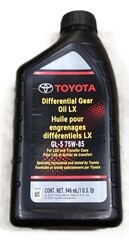
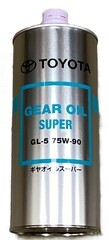
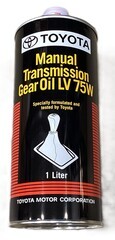
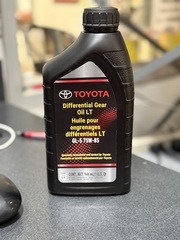 Genuine Toyota GL-5 75W-85 Differential Gear Oil LT (1 Quart)Toyota 00279-DGOLT-01$40.51
 -
-
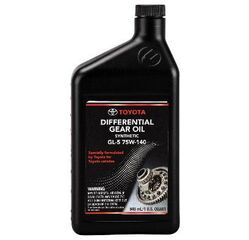 Genuine Toyota Fully Synthetic GL-5 75W140 Differential Gear Oil (1 Quart)Toyota 00289-75140$22.09
 -
-
-
-
Do You Really Need a Toyota Cabin Air Filter Replacement in Winter?
Many drivers mistakenly believe that cabin air filters only matter during the spring and summer pollen seasons. However, neglecting your cabin filter during winter is a major road trip mistake. A clogged, dirty filter severely restricts the airflow from your blower motor. This means your heater struggles to warm up the cabin, and your defroster will lack the power needed to clear dense fog and condensation from your windows, directly impacting your visibility. Furthermore, a long winter road trip means spending hours sealed inside a closed environment. A fresh filter ensures you are breathing clean, healthy air rather than recirculated dust and exhaust.
Here is why securing a fresh, genuine OEM cabin filter is an absolute must for your winter travels:
- Maximized Heater Output: Restores full, unhindered airflow to warm the cabin rapidly on freezing mornings.
- Faster Defrosting: Provides the powerful air volume required to quickly clear dangerous windshield fog and frost.
- Odor Elimination: Traps mold spores and damp smells that originate from wet, slush-soaked floor mats.
- Exhaust Filtration: Protects your passengers from harmful roadside emissions when stuck behind heavy trucks in sluggish snow traffic.
When Stock Lighting Needs an Upgrade: OEM Toyota Headlight Replacement
Winter road trips guarantee that a significant portion of your driving will occur in the dark, as days are shorter and nights are longer. You will frequently navigate poorly lit rural highways or battle the blinding glare of falling snow. If your vehicle's headlight lenses are clouded, heavily oxidized, or cracked, they dramatically scatter light and reduce your forward visibility. A headlight replacement restores your lighting to factory standards. Genuine housings ensure the beam pattern is perfectly focused onto the road ahead, piercing through winter weather without blinding oncoming traffic, a common issue with cheap, ill-fitting aftermarket bulbs.
Upgrading your compromised lighting to genuine factory assemblies provides several critical advantages for a road trip:
- Restored Brightness: Eliminates dimness caused by UV-yellowed lenses, maximizing your nighttime reaction time.
- Precision Beam Alignment: Ensures light is focused exactly where you need it to spot icy patches and wildlife.
- Weatherproof Seals: Factory-grade gaskets prevent internal moisture buildup and condensation from freezing inside the housing.
- Plug-and-Play Fitment: Integrates perfectly with your Toyota’s electrical harness without the need for splicing or modifying wires.
Key Takeaways
Preparing your vehicle for an extensive winter journey from Illinois is the ultimate key to a stress-free and secure adventure. By taking the time to thoroughly inspect your vehicle's critical systems and investing in the correct OEM upgrades, you protect your engine from the freezing cold and ensure absolute comfort for everyone inside the cabin. Never leave your winter safety to chance; rely on genuine factory parts to carry you through the toughest weather conditions.
To recap our comprehensive winter road trip checklist, make sure to handle these crucial items before departure:
- Test battery CCA and replace if sluggish.
- Check and refill antifreeze coolant to proper levels.
- Swap out standard wipers for heavy-duty winter blades.
- Verify tire tread depth and adjust cold-weather pressure.
- Inspect brake pads, rotors, and brake fluid.
- Confirm heater, blower motor, and defroster functionality.
- Fill the reservoir with -20°F winter washer fluid.
- Pack a complete roadside winter emergency kit.
- Check all belts and hoses for cold-weather brittleness.
- Change the engine oil and install a fresh filter.
Need help finding the perfect components before you hit the highway? Our dedicated parts experts are standing by to ensure you get exactly what you need for a safe journey. Contact us today to secure your winter road trip parts.
Frequently Asked Questions
- How do I know if my battery will survive a winter road trip?
- The best method is to have a mechanic perform a load test to measure its Cold Cranking Amps (CCA). If the battery is older than three years or the CCA is significantly below its rating, replace it before traveling.
- Can I use all-season tires for a road trip in the snow?
- While high-quality all-season tires can handle light snow, they harden in freezing temperatures. If you are driving into heavy snow accumulation or mountainous areas, dedicated winter tires with softer rubber compounds are highly recommended.
- Are OEM Toyota winter wiper blades really better than aftermarket brands?
- OEM winter blades feature a specialized rubber boot protecting the frame from freezing, and the rubber wiping element is formulated specifically for extreme cold, ensuring they do not chatter or streak like standard aftermarket blades.
- What should I do if my washer fluid freezes while driving?
- Pull over safely. Do not continue trying to spray the fluid, as you can burn out the washer pump motor. Wait for the engine heat to thaw the lines, then drain the reservoir and replace the fluid with a proper winter-grade formula.
- How often should I check my tire pressure on a winter road trip?
- You should check your tire pressure every morning of your trip before driving. Cold overnight temperatures will cause the pressure to drop, which negatively impacts your vehicle's handling and fuel economy.
- Do I need to warm up my Toyota engine before driving in the cold?
- Modern fuel-injected Toyota engines only need about 30 seconds to circulate oil. The best way to warm up the engine is to drive gently for the first few miles until the temperature gauge begins to rise.
- What is the best way to clean clouded headlight lenses before a trip?
- While temporary polishing kits exist, they usually fade again within a few months. For a long road trip where safety is paramount, a complete OEM Toyota headlight replacement is the only permanent solution for maximum visibility.